
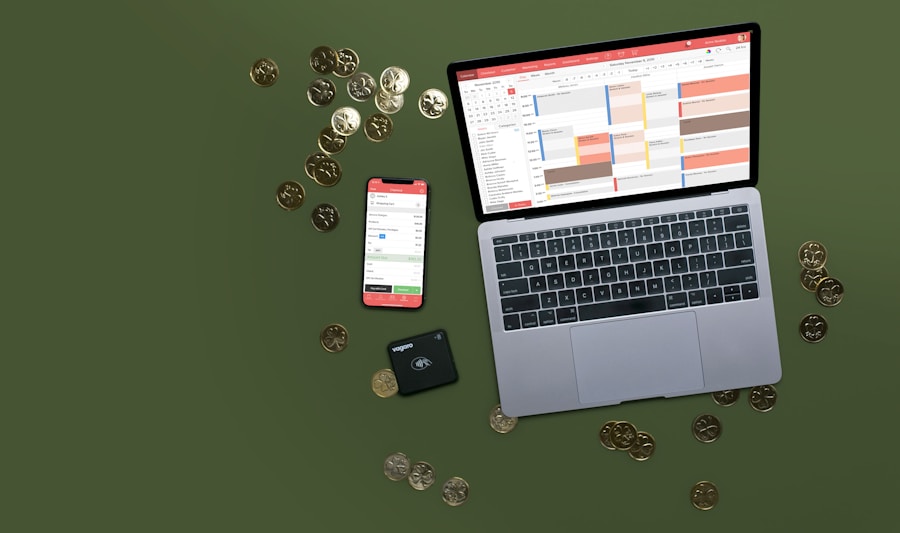
Usted, como propietario o gerente de un spa en Mijas, se enfrenta al desafío constante de optimizar la eficiencia operativa. En un mercado competitivo donde la experiencia del cliente es primordial, la gestión efectiva de citas se convierte en un pilar fundamental. Este artículo examina cómo los sistemas de reservas diseñados para mitigar cancelaciones pueden transformar la operatividad de su spa, mejorando la rentabilidad y la satisfacción del cliente.
La Problemática de las Cancelaciones en Spas
Las cancelaciones y las ausencias (no-shows) representan un obstáculo significativo para la eficiencia de cualquier spa. Estos eventos no solo resultan en una pérdida directa de ingresos por el servicio no prestado, sino que también generan costos indirectos considerables.
Impacto Económico Directo e Indirecto
Cada cita cancelada en el último minuto o no asistida significa un tiempo de terapeuta no facturable y una sala de tratamiento vacía. Este tiempo ocioso no se puede recuperar. Piense en ello como arena que se escurre entre los dedos: una vez que se va, no regresa. Además, existen costos de oportunidad: otro cliente potencial que podría haber ocupado ese horario se perdió. A largo plazo, una alta tasa de cancelaciones puede mermar seriamente la rentabilidad de su negocio. La asignación de recursos, desde el personal hasta los insumos, se vuelve ineficiente, elevando los costos operativos por cliente atendido.
Desgaste Operacional y Moral del Equipo
El impacto de las cancelaciones va más allá de lo económico. Un equipo que se prepara para un tratamiento, solo para ver al cliente no presentarse, experimenta una disminución en la moral. Esto puede llevar a la frustración, el desgaste profesional y, en última instancia, afectar la calidad del servicio ofrecido a otros clientes. La incertidumbre sobre la agenda del día también dificulta la planificación interna y la optimización de los horarios de los terapeutas.
Deterioro de la Experiencia del Cliente General
Aunque paradójicamente las cancelaciones son generadas por el cliente, su alta incidencia puede indirectamente afectar la experiencia de otros clientes. Si la disponibilidad de citas se ve comprometida por bloques de tiempo reservados que luego se cancelan, los clientes que sí desean reservar pueden encontrar dificultades para hacerlo en los horarios deseados. Esto genera frustración y puede llevar a la pérdida de clientes leales que, al no encontrar hueco, buscarán en la competencia.
Sistemas de Reservas Online como Primera Línea de Defensa
La implementación de un sistema de reservas online robusto es el primer paso estratégico para gestionar y reducir las cancelaciones. Estos sistemas no solo simplifican el proceso de reserva para el cliente, sino que también ofrecen herramientas cruciales para el spa.
Accesibilidad 24/7 y Conveniencia para el Cliente
Un sistema de reservas online permite a sus clientes en Mijas reservar tratamientos en cualquier momento y desde cualquier lugar. Esta conveniencia es un pilar fundamental en la sociedad actual, donde la inmediatez y la flexibilidad son muy valoradas. Proporcionar un canal de reserva accesible las 24 horas del día, los 7 días de la semana, elimina barreras temporales y geográficas. Es como tener una recepcionista virtual trabajando sin descanso, capturando citas incluso cuando su spa está cerrado.
Centralización de la Información y Análisis de Datos
Todos los datos de las reservas –nombres de clientes, historiales de tratamientos, preferencias, tasas de cancelación– se consolidan en una única plataforma. Esta centralización es invaluable para el análisis. Puede identificar patrones de conducta de los clientes, detectar los tratamientos más demandados o los horarios con mayor incidencia de cancelaciones. Esta información actúa como una brújula, guiando sus decisiones operativas y estratégicas. Comprender estos patrones le permite ajustar su oferta y sus políticas de forma proactiva.
Optimización de la Programación del Personal
Los sistemas de reservas modernos ofrecen una visión clara y en tiempo real de la agenda. Esto permite una programación más eficiente del personal, asegurando que siempre haya el número adecuado de terapeutas para atender la demanda. Si un tratamiento específico está en auge, el sistema puede alertarle para ajustar los horarios o habilidades del personal. Minimiza el tiempo de inactividad de los terapeutas al distribuir las citas de manera equitativa y permite reaccionar rápidamente ante cambios inesperados en la demanda.
Estrategias Proactivas para Reducir Cancelaciones
Más allá de la implementación del sistema, existen estrategias activas que su spa puede adoptar para disuadir las cancelaciones y las ausencias. Estas tácticas transforman la relación con el cliente y minimizan el riesgo de pérdidas.
Recordatorios de Citas Automatizados
Los recordatorios son una herramienta simple pero extraordinariamente efectiva. Enviar mensajes automatizados (email o SMS) a los clientes con 24 o 48 horas de antelación reduce drásticamente las cancelaciones por olvido. Es como un amable empujón, que recuerda al cliente su compromiso sin ser intrusivo. Puede personalizar el contenido para incluir la fecha, hora, servicio y cualquier instrucción previa necesaria, mejorando la preparación del cliente y, por ende, su experiencia general.
Políticas de Cancelación Claras y Comunicadas
Una política de cancelación bien definida es crucial. Debe ser transparente, justa y fácil de entender. Es como un contrato implícito entre su spa y el cliente. Publíquela en su sitio web, en el proceso de reserva online y, si es posible, en la confirmación de la cita. Indique claramente el plazo para cancelar sin penalización y las cargas aplicables por cancelaciones tardías o no-shows. Comunicar estas políticas de forma explícita desde el principio establece expectativas claras y reduce malentendidos.
Exigencia de Pagos por Adelantado o Depósitos
Para tratamientos de alto valor o citas en horarios pico, considere solicitar un depósito parcial o el pago total por adelantado. Esta estrategia ancla el compromiso del cliente. Una vez que hay una transacción económica involucrada, la probabilidad de una cancelación o no-show disminuye significativamente. Es como construir un pequeño dique para contener la marea de las cancelaciones: una inversión inicial protege la integridad de la cita.
Fomentando la Lealtad y el Compromiso del Cliente
Un enfoque centrado en la lealtad del cliente no solo asegura la recurrencia, sino que también reduce la probabilidad de cancelaciones, ya que los clientes leales tienden a valorar más su relación con el spa.
Programas de Fidelización y Recompensas
Implemente programas de puntos, descuentos para clientes habituales o acceso exclusivo a ofertas. Un cliente que se siente valorado es un cliente comprometido. Estos programas no solo incentivan la repetición de visitas, sino que también crean un lazo emocional con su spa. Si un cliente sabe que perder una cita puede afectar sus puntos o beneficios, es más probable que cumpla con su compromiso o, al menos, que cancele con suficiente antelación.
Comunicación Personalizada y Experiencia del Cliente Excepcional
Utilice los datos recopilados por su sistema de reservas para personalizar la comunicación. Envíe felicitaciones de cumpleaños, recomendaciones de tratamientos basadas en su historial o recordatorios de servicios que disfrutan. Un toque personal hace que el cliente se sienta especial y no solo un número en la agenda. La excelencia en cada interacción, desde la reserva hasta la despedida, refuerza el valor de su servicio y reduce la probabilidad de que el cliente incumpla su compromiso. Una experiencia excepcional es su seguro contra la cancelación.
Opciones de Reprogramación Flexibles
Ofrecer opciones fáciles de reprogramación puede ser un salvavidas tanto para el cliente como para su spa. Si un cliente no puede asistir a su cita original, un proceso sencillo para cambiarla por otra fecha u hora minimiza la pérdida total. Algunos sistemas de reservas permiten a los clientes gestionar sus propias citas, dándoles control y autonomía. Esto muestra flexibilidad y comprensión por parte de su spa, fomentando una relación de confianza. Es mejor tener una cita reprogramada que una cita perdida.
Integración y Automatización para una Gestión Sin Esfuerzo
| Métrica | Valor |
|---|---|
| Porcentaje de cancelaciones | 15% |
| Porcentaje de reservas confirmadas | 85% |
| Incremento en la eficiencia del spa | 20% |
La verdadera potencia de estos sistemas radica en su capacidad de integración y automatización, liberando tiempo valioso para que usted se enfoque en la calidad del servicio.
Sincronización con Calendarios Internos y Externos
Un sistema de reservas anti-cancelaciones debe integrarse sin problemas con los calendarios de su personal y, si es necesario, con calendarios externos (como Google Calendar o Outlook). Esta sincronización automática asegura que la disponibilidad esté siempre actualizada y que no haya reservas duplicadas o conflictos. Elimina la necesidad de la doble entrada manual, reduciendo errores y ahorrando tiempo.
Informes y Análisis de Tendencias
La capacidad de generar informes detallados sobre tasas de cancelación, horas pico, tratamientos populares y desempeño del personal es invaluable. Estos informes le proporcionan una visión aérea de la salud operativa de su spa. Puede identificar cuellos de botella, patrones de cancelación recurrentes y oportunidades de mejora. Es como tener un panel de control que le muestra dónde actuar para optimizar su negocio. El análisis predictivo, incluso, podría anticipar períodos de alta o baja demanda, permitiéndole ajustar la programación y las promociones.
Automatización de Tareas Administrativas
Desde la confirmación de citas hasta la facturación y la gestión de la sala, un sistema bien integrado automatiza gran parte de las tareas administrativas. Esto reduce la carga de trabajo de su personal de recepción y les permite concentrarse en la atención al cliente, mejorando la experiencia general. La automatización es el lubricante que permite que la maquinaria de su spa funcione sin fricciones, liberando recursos humanos para tareas de mayor valor.
En resumen, la implementación de sistemas de reservas anti-cancelaciones en su spa de Mijas no es solo una mejora tecnológica, sino una inversión estratégica en la eficiencia operativa, la rentabilidad y la satisfacción del cliente. Al adoptar estas herramientas y estrategias, usted no solo minimiza las pérdidas por cancelaciones, sino que también construye una base sólida para el crecimiento y la sostenibilidad de su negocio en el competitivo mercado actual.