
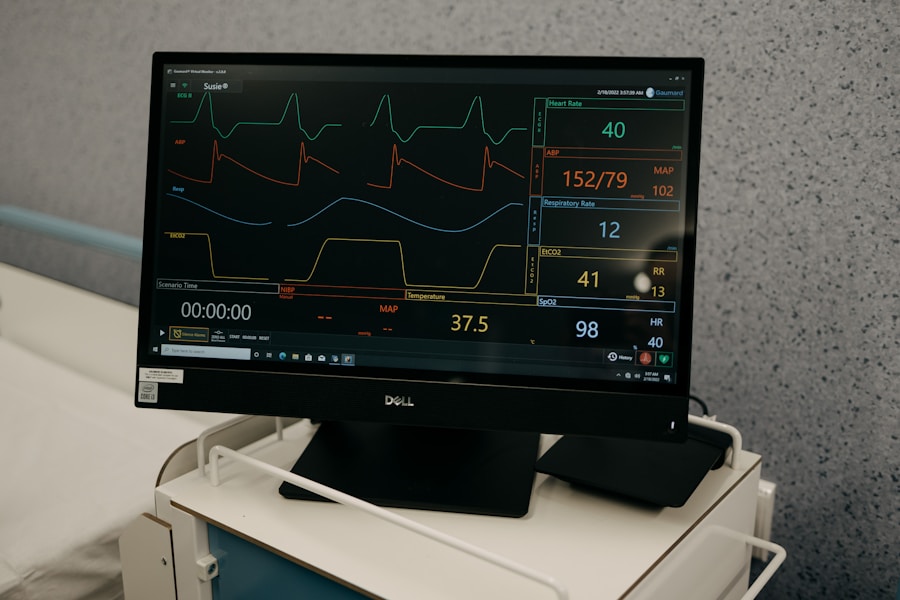
This article examines software solutions for health service monitoring in Málaga. The objective is to provide an objective overview of available options, their functionalities, and considerations for implementation. The healthcare landscape in Málaga, like many regions, faces pressures from an aging population, increasing demand for services, and the need for efficient resource allocation. Effective monitoring software can serve as a compass, guiding decision-makers through this complex terrain and ensuring that patient care remains at the forefront.
Criterios de Evaluación para Software de Monitorización en Málaga
When selecting software for monitoring health services, a methodical approach is essential. Imagine building a house; you wouldn’t start with the roof. Instead, you’d lay a solid foundation, select appropriate materials, and plan each stage carefully. Similarly, evaluating these software solutions requires a framework of key criteria to ensure the chosen system truly meets the needs of Málaga’s healthcare providers. This section outlines the fundamental aspects to consider.
Usabilidad e Interfaz de Usuario
The user interface is the gatekeeper to a software’s capabilities. If it is cumbersome or unintuitive, even the most powerful features will remain underutilized.
Facilidad de Navegación
The flow of information should be logical, allowing users to find what they need without extensive training. A well-designed interface should feel natural, like navigating a familiar path, rather than a labyrinth.
Curva de Aprendizaje
Consider the time and resources required to train staff. A steep learning curve can lead to frustration and decreased adoption rates. Ideally, the software should be accessible to a wide range of technical proficiencies.
Personalización y Adaptabilidad
Healthcare environments are diverse. The software should allow for customization to align with specific workflows and departmental needs. This adaptability ensures the system grows with the organization.
Funcionalidades Clave
Beyond user experience, the core functionalities are the engine of the software. These features directly impact the efficiency and effectiveness of health service monitoring.
Monitorización en Tiempo Real
The ability to observe key performance indicators (KPIs) and operational data as it happens is crucial. This provides early warnings of potential issues and allows for immediate intervention. It’s akin to having a dashboard with all vital signs displayed, allowing for instant diagnostics.
Generación de Informes y Analíticas
Data is only valuable if it can be analyzed and understood. Robust reporting and analytical tools are necessary to identify trends, evaluate performance, and inform strategic decisions. These tools transform raw data into actionable insights, like deciphering complex medical charts.
Gestión de Alarmas y Notificaciones
Proactive alerts are vital for addressing critical situations before they escalate. The software should support customizable alarm thresholds and notification systems to ensure the right people are informed at the right time.
Integración con Sistemas Existentes (HIS, EMR)
Healthcare systems are complex ecosystems. The monitoring software should seamlessly integrate with existing Hospital Information Systems (HIS) and Electronic Medical Records (EMR) to avoid data silos and ensure a holistic view of operations. This creates a unified network, preventing the isolation of critical information.
Tipos de Software de Monitorización de Servicios de Salud
The market offers a variety of software solutions, each with its own strengths and focus areas. Understanding these categories is essential for narrowing down the options.
Plataformas Integrales de Gestión Hospitalaria
These are comprehensive suites designed to manage various aspects of hospital operations, including monitoring. They often encompass financial management, human resources, and clinical workflows, with monitoring capabilities integrated within.
Características Principales
- Visión Holística: Provide an all-encompassing view of hospital operations.
- Flujos de Trabajo Automatizados: Streamline processes across departments.
- Módulos de Monitorización Integrados: Offer monitoring as part of a larger system.
Soluciones Especializadas en Monitorización Clínica
These platforms are specifically designed to track and analyze clinical data, focusing on patient outcomes, treatment efficacy, and quality of care.
Enfoque en Métricas Clínicas
- Seguimiento de Pacientes: Monitor patient progress, vital signs, and treatment adherence.
- Análisis de Resultados de Laboratorio: Track and interpret lab results for trends.
- Indicadores de Calidad Asistencial: Measure adherence to clinical guidelines and patient satisfaction.
Herramientas de Gestión de Rendimiento y KPIs
These solutions concentrate on tracking key performance indicators across various departments, helping to measure efficiency, resource utilization, and financial performance.
Optimización de Recursos
- Monitorización de Tiempos de Espera: Track patient wait times in different areas.
- Análisis de Utilización de Equipos: Monitor the usage and availability of medical equipment.
- Seguimiento de Costos Operativos: Analyze expenses to identify areas for cost reduction.
Factores Clave para la Implementación en Málaga
Implementing new software is a significant undertaking. Beyond selecting the right tool, careful planning and consideration of local factors are crucial for successful adoption.
Infraestructura Tecnológica y Conectividad
The existing technological infrastructure in Málaga’s health facilities dictates the feasibility of certain software solutions.
Capacidad de Red y Seguridad
Ensure that the network infrastructure can support the demands of the software, including data transmission and storage, while maintaining robust cybersecurity measures. A weak network is like a leaky pipe, compromising the entire system.
Compatibilidad de Hardware y Software
Verify that the proposed software is compatible with existing hardware and operating systems to avoid costly replacements or upgrades.
Soporte Técnico y Mantenimiento
Reliable support is paramount for any operational software. Downtime can have serious consequences in a healthcare setting.
Disponibilidad y Tiempos de Respuesta
Evaluate the vendor’s support hours and their typical response times for addressing issues.
Actualizaciones y Mantenimiento Predictivo
Understand the vendor’s strategy for software updates and their approach to proactive maintenance to prevent potential problems.
Consideraciones Regulatorias y de Cumplimiento (RGPD)
Healthcare data is highly sensitive and subject to strict regulations. Compliance with data protection laws is non-negotiable.
Protección de Datos Personales
Ensure the software adheres to all relevant data privacy regulations, such as the General Data Protection Regulation (RGPD), to safeguard patient confidentiality.
Seguridad de la Información Sensible
Implement stringent security protocols to protect sensitive patient information from unauthorized access or breaches.
Ejemplos de Software y Consideraciones Adicionales
While specific product recommendations are beyond the scope of this factual overview, exploring general categories and common considerations helps in understanding the landscape.
Soluciones de Business Intelligence (BI) Aplicadas a Salud
Business Intelligence tools, when adapted for the healthcare sector, can offer powerful analytical capabilities for monitoring.
Construcción de Dashboards Personalizados
These tools enable the creation of highly customized dashboards that visualize specific KPIs relevant to Málaga’s health services.
Análisis Predictivo y Modelado
Capabilities for predictive analytics can help anticipate future service demands, potential resource shortages, and identify patients at higher risk.
Software Específico para Gestión de Filas y Turnos
In a region like Málaga with potentially high patient volumes, managing patient flow efficiently is critical.
Reducción de Tiempos de Espera para Pacientes
Systems that manage queues and appointments can significantly improve patient satisfaction by reducing wait times.
Optimización de la Asignación de Personal y Recursos
Understanding patient flow patterns allows for better allocation of staff and resources to meet demand effectively.
Factores Culturales y de Adopción
The successful implementation of any software is influenced by the human element.
Resistencia al Cambio
Anticipate potential resistance to new technology from staff and develop strategies to address concerns through clear communication and training.
Capacitación y Desarrollo Profesional Continuo
Ongoing training programs are essential to ensure staff can fully leverage the capabilities of the monitoring software as it evolves. This empowers users, transforming them from mere operators into informed custodians of the system.
El Futuro de la Monitorización en los Servicios de Salud de Málaga
| Software | Calificación | Funcionalidades | Precio |
|---|---|---|---|
| Software A | 4.5 | Monitoreo en tiempo real, reportes personalizados | Gratis |
| Software B | 4.2 | Alertas automáticas, integración con dispositivos médicos | 500 al mes |
| Software C | 4.8 | Análisis predictivo, gestión de citas médicas | 300 al mes |
The trajectory of health service monitoring is towards greater integration, intelligence, and patient-centricity.
Inteligencia Artificial y Aprendizaje Automático
The integration of AI and Machine Learning promises to revolutionize how health services are monitored.
Identificación Temprana de Brotes Epidémicos
AI can analyze vast datasets to detect early signs of disease outbreaks, enabling a swift public health response. This acts as an early warning system, like a sentinel observing the horizon for approaching storms.
Optimización Personalizada de Tratamientos
Machine learning algorithms can analyze individual patient data to suggest more personalized and effective treatment plans.
Internet de las Cosas Médicas (IoMT)
The proliferation of connected medical devices offers new avenues for real-time data collection.
Monitorización Remota de Pacientes
IoMT devices allow for continuous monitoring of patients outside of traditional clinical settings, improving chronic disease management and reducing hospital readmissions.
Recopilación de Datos en Tiempo Real para Investigación
The data generated by IoMT devices can provide invaluable insights for medical research and the development of new treatments.
Interoperabilidad y Estándares Abiertos
Achieving true interoperability between different systems is a critical goal for the future.
Intercambio de Información Fluido y Seguro
Standardization will enable seamless and secure exchange of patient data between various healthcare providers and systems across Málaga.
Mejora de la Coordinación Asistencial
This improved data flow will lead to better coordinated care, reducing redundant tests and improving overall patient outcomes. The interconnectedness of these systems will create a robust network, ensuring that no vital piece of patient information is lost in transit.