The cosmetic industry has long been a landscape of innovation and aspiration, but a growing wave of brands is shifting the focus from outward appearance to an inward commitment: sustainability. This article examines two distinct, yet increasingly influential, approaches to circularity in cosmetics, pitting Parisian chic against Dubai luxury. We will dissect their philosophies, product development, sourcing strategies, packaging innovations, and consumer engagement models to understand their respective strengths and weaknesses in the pursuit of a circular economy.
The Foundation of Circularity: Philosophy and Principles
This section will explore the underlying ideologies that drive circular cosmetic brands. Understanding these foundational beliefs is crucial to grasping why certain choices are made in product development, sourcing, and consumer engagement. It’s about more than just recycling; it’s about reimagining the entire lifecycle of a product.
Parisian Chic: Elegance with a Conscience
French beauty has a storied history, often associated with effortless elegance and a refined approach to skincare. Circular cosmetic brands emerging from Paris have woven this inherent aesthetic into their sustainability narrative. Their philosophy often centers on “less is more,” emphasizing thoughtful formulations, high-quality ingredients, and a commitment to minimizing waste through thoughtful design and production. The focus here is on achieving a sophisticated, minimalist approach to beauty and consumption, where longevity and efficacy are paramount.
Emphasis on Natural and Biodegradable Ingredients
Parisian circular cosmetics frequently champion the use of natural, organically sourced ingredients. This aligns with a broader European trend towards clean beauty, where consumers are increasingly scrutinizing ingredient lists. The selection of biodegradable components further strengthens their circularity claims, as these materials are designed to break down naturally at the end of their lifecycle, leaving minimal environmental impact. This is akin to a painter selecting pigments that, once dried, meld seamlessly with the canvas, rather than sit as a separate, potentially harmful layer.
Slow Beauty and Longevity
A key tenet of the Parisian chic approach is the concept of “slow beauty.” This philosophy advocates for products that are built to last, both in terms of formulation stability and in their ability to deliver long-term results for the skin. Instead of a constant cycle of purchasing and discarding, consumers are encouraged to invest in fewer, higher-quality products. This not only reduces consumption but also promotes a more mindful relationship with beauty products.
Dubai Luxury: Opulence with a Purpose
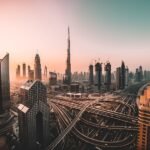
Dubai, a global hub for luxury and innovation, presents a contrasting, yet equally compelling, model for circular cosmetics. Here, the emphasis is on integrating sustainability into a high-end consumer experience. The philosophy often revolves around redefining luxury itself, demonstrating that opulence and environmental responsibility can coexist. This isn’t about sacrificing indulgence; it’s about elevating it by infusing it with ethical sourcing and sophisticated waste management.
High-Performance Formulations and Cutting-Edge Technology
Brands from Dubai often leverage advanced scientific research and cutting-edge technology to create high-performance cosmetic products. The circularity aspect is then integrated through innovative recycling programs, refillable systems, and the use of advanced, yet sustainable, materials. The ambition is to offer a premium experience that doesn’t compromise on efficacy or sensory appeal, while also addressing environmental concerns.
Redefining Luxury Through Sustainable Practices
The Dubai luxury model aims to demonstrate that sustainability can be a hallmark of true luxury. This involves creating products that are not only effective and aesthetically pleasing but also ethically produced and responsibly packaged. The goal is to shift consumer perception, where sustainability becomes an aspirational quality, enhancing the perceived value of a product. It’s like a master craftsman using ethically sourced, rare wood to build an exquisite piece of furniture; the material enhances the artistry.
Sourcing and Supply Chain: The Genesis of Sustainability
The journey of a cosmetic product begins long before it reaches the consumer. This section delves into how Parisian chic and Dubai luxury brands approach the sourcing of their ingredients and the management of their supply chains to ensure a circular model.
Parisian Chic: Local and Traceable Origins
Parisian brands often prioritize sourcing ingredients from local or regional suppliers. This proximity reduces transportation emissions and allows for greater control and transparency over the supply chain. The emphasis is on building relationships with farmers and producers who adhere to sustainable agricultural practices.
Organic and Ethical Farming Partnerships
Building close ties with organic and ethical farms is a cornerstone of the Parisian model. This involves ensuring fair labor practices, protecting biodiversity, and minimizing the use of harmful pesticides and fertilizers. The brand acts as a steward, working with growers to cultivate ingredients that are not only high in quality but also grown with respect for the environment.
Emphasis on Biodegradable and Renewable Feedstocks
The selection of primary feedstocks is crucial for biodegradability. Parisian brands meticulously choose plant-based oils, butters, and extracts that are naturally derived and can decompose without leaving harmful residues. Preference is given to renewable resources that can be replenished without depleting natural reserves.
Dubai Luxury: Global Network and Innovative Materials
Dubai-based brands, operating within a global hub, often establish a more expansive supply chain. However, their approach to circularity within this network involves rigorous selection processes and a willingness to invest in novel, sustainable materials.
Controlled Cultivation and Biorefinery Inputs
While some ingredient sourcing may be global, there’s a growing trend towards controlled cultivation and the use of biorefinery inputs. This means working with facilities that can extract valuable compounds from agricultural waste or byproducts, thereby creating a more circular flow of materials. This is akin to a sophisticated industrial process that extracts every last drop of value from its raw materials.
Advanced Recycling and Upcycling Initiatives
Dubai luxury brands are often at the forefront of adopting advanced recycling technologies and upcycling initiatives. This can involve developing closed-loop systems for their packaging or finding innovative ways to repurpose byproducts from their manufacturing processes. The focus is on transforming waste streams into valuable resources.
Packaging Innovations: Containers for Conservation
Packaging is a critical touchpoint in the circular economy of cosmetics. This section examines how brands from Paris and Dubai are innovating to reduce, reuse, and recycle their packaging.
Parisian Chic: Minimalism and Refillability
The minimalist aesthetic of Parisian chic is reflected in its packaging strategy. The focus is on reducing the amount of material used, opting for lightweight and recyclable options, and increasingly, on refillable systems.
Lightweight and Recyclable Materials
There’s a strong preference for materials that are easily recyclable and have a lower environmental footprint. This includes glass, aluminum, and certain types of post-consumer recycled (PCR) plastic. The design often eschews unnecessary embellishments, prioritizing functionality and sustainability.
Refillable Systems and Monomaterial Design
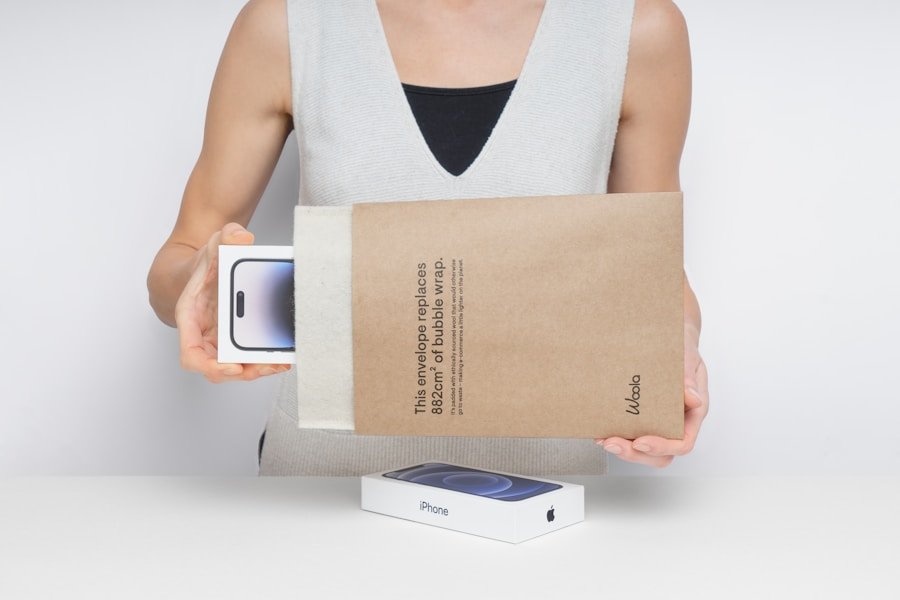
Refillable containers are becoming a signature element of Parisian circular cosmetic brands. This allows consumers to repurchase product refills and reuse the original container, significantly reducing waste. Furthermore, some brands are focusing on monomaterial packaging – containers made from a single type of material – to simplify the recycling process.
Dubai Luxury: Premium Refills and Smart Packaging
Dubai’s luxury brands are integrating sustainability into their premium packaging, often with a focus on sophisticated refillable options and the incorporation of smart technologies to enhance user experience and track product lifecycle.
Opulent Refillable Vessels and Bespoke Designs
Luxury brands are not shying away from creating refillable packaging that is as aesthetically pleasing, if not more so, than the original product. This involves using high-quality materials like polished metals, ceramics, or sustainably sourced woods for the outer casing, while offering easy-to-replace product inserts. The concept is to create a sense of enduring value.
Innovative Materials and End-of-Life Solutions
Beyond traditional recycling, Dubai brands are exploring innovative materials for their packaging. This can include biodegradable composites or materials that are designed for a specific, controlled end-of-life, such as industrial composting. Some are also investigating smart packaging solutions that can track product usage and expiry dates, potentially reducing waste from expired products.
Consumer Engagement and Education: The Human Element of Circularity
The success of any circular economy model hinges on consumer participation. This section explores how Parisian chic and Dubai luxury brands engage with their customers to foster a culture of sustainability.
Parisian Chic: Empowering Informed Choices
Parisian brands often adopt an educational and empowering approach to consumer engagement, aiming to foster a deeper understanding of product ingredients and the benefits of sustainable consumption.
Transparency in Ingredient Sourcing and Formulation
Open communication about ingredient origins, ethical sourcing practices, and the biodegradability of formulations is key. Brands provide detailed information, often through their websites and product labels, to empower consumers to make informed decisions. This is like a trusted guide sharing the map and the compass.
Promoting Minimalist Routines and Product Longevity
The message for consumers is often about embracing a more minimalist approach to their beauty routines. Instead of chasing trends, the emphasis is on understanding their skin’s needs and investing in products that provide long-term benefits. This encourages product longevity and reduces the impulse to constantly repurchase.
Dubai Luxury: Experiential Sustainability and Loyalty Programs
Dubai’s luxury brands aim to integrate sustainability into an aspirational consumer journey, often through exclusive experiences and loyalty programs that reward conscious consumption.
Exclusive Take-Back Programs and Recycling Incentives
High-end brands often offer exclusive take-back programs for their packaging, sometimes linked to loyalty points or discounts on future purchases. This creates an incentive for consumers to return used products responsibly, ensuring proper disposal or recycling.
Immersive Brand Experiences with a Sustainable Focus
Beyond transactional interactions, luxury brands are creating immersive experiences that highlight their commitment to sustainability. This can include in-store events, workshops, or partnerships with environmental organizations. The aim is to build an emotional connection with the brand’s values, making sustainability an aspirational aspect of the luxury lifestyle.
Challenges and Future Outlook: The Road Ahead for Circular Cosmetics
| Category | Parisian Chic | Dubai Luxury |
|---|---|---|
| Brand Presence | 10 | 8 |
| Product Range | 15 | 12 |
| Price Range | ||
| Ingredients Quality | 8 | 9 |
| Sustainability Practices | 7 | 6 |
The transition to a fully circular economy in cosmetics is not without its hurdles. This section examines the challenges faced by both Parisian chic and Dubai luxury brands and considers their future trajectories.
Common Obstacles and Divergent Solutions
Both approaches encounter common challenges, such as the scalability of certain sustainable materials, the cost of implementing advanced recycling infrastructure, and consumer education on complex circular models.
Material Innovation and Cost-Effectiveness
The development and adoption of truly sustainable and cost-effective materials for both product formulation and packaging remain a significant challenge. Sourcing consistent quantities of high-quality, biodegradable, or recycled ingredients at competitive prices is an ongoing endeavor.
Consumer Education and Behavior Change
Shifting entrenched consumer habits and educating the public about the nuances of circularity – such as the difference between recyclability and compostability, or the benefits of refill systems – requires sustained effort.
The Evolving Landscape of Circular Beauty
The future of circular cosmetics is likely to see a blending of these approaches, with an increasing emphasis on innovation, collaboration, and a holistic view of product lifecycle.
Convergence of Styles and Shared Innovations
It is probable that Parisian chic and Dubai luxury will continue to influence each other. Paris may adopt more advanced material innovations championed by Dubai, while Dubai could embrace the minimalist aesthetic and ingredient transparency favored by Parisian brands. Shared research and development efforts could accelerate progress.
The Imperative of Regulation and Industry Collaboration
Ultimately, the widespread adoption of circularity in cosmetics will likely require supportive regulatory frameworks and greater collaboration across the industry. This could involve standardizing recycling protocols, establishing clearer labeling guidelines, and fostering partnerships between brands, ingredient suppliers, and waste management companies. The path forward is not a single lane, but a multi-faceted highway requiring collective effort.