
Introduction
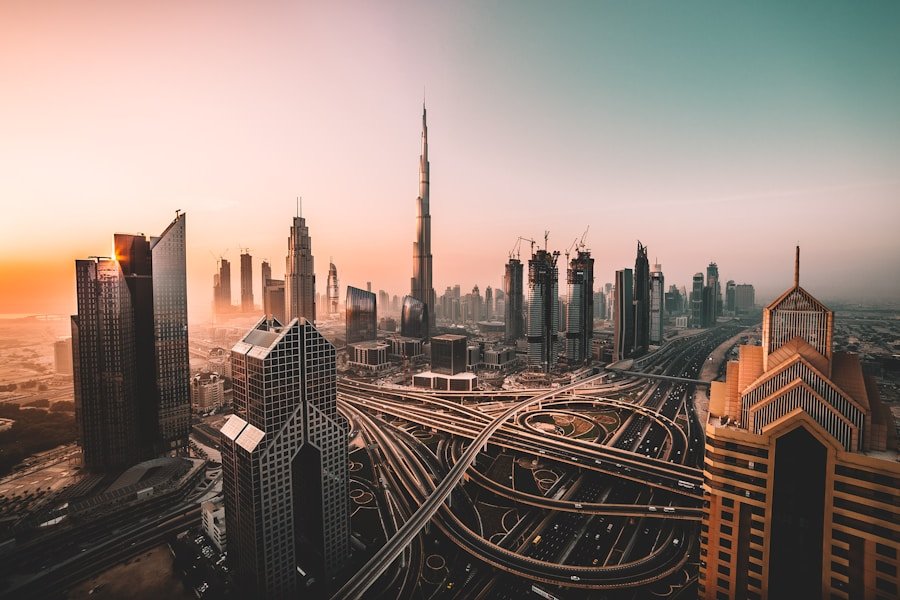
This article will compare and contrast the sustainable tourism initiatives of Dubai and Buenos Aires. Both cities, while geographically and culturally distinct, have acknowledged the increasing global imperative for sustainable development within their tourism sectors. Dubai, a sprawling metropolis in the United Arab Emirates, has experienced rapid growth fueled by resource extraction and a vision of becoming a global hub. Buenos Aires, the capital of Argentina, is a historic port city within a developing South American nation. Understanding their approaches offers insights into how widely differing contexts navigate the complexities of environmental, social, and economic sustainability in tourism. This comparison is not intended to declare one city “better” than the other, but rather to illuminate the diverse strategies and challenges inherent in sustainable tourism implementation.
Environmental Sustainability Initiatives
Environmental sustainability forms the bedrock of any genuine sustainable tourism agenda. It addresses the impact of tourism on natural resources, ecosystems, and climate. Dubai and Buenos Aires demonstrate distinct focuses in this area, shaped by their respective geographies and development trajectories.
Resource Management Strategies
Water Conservation
Dubai, an arid desert city, faces significant challenges regarding water scarcity. Its water strategy relies heavily on desalination, an energy-intensive process. Consequently, sustainable tourism initiatives often incorporate ambitious water-saving measures. For instance, the Dubai Sustainable Tourism Charter encourages hotels to adopt water-efficient fixtures, implement smart irrigation systems for landscaping, and monitor consumption through advanced metering. We see examples in developments like The Sustainable City, which integrates greywater recycling and drought-tolerant landscaping.
Buenos Aires, conversely, enjoys a more abundant natural water supply from the Río de la Plata. While not a desert, water pollution from industrial and urban runoff remains a concern for the city and the surrounding delta. Sustainable tourism in Buenos Aires, therefore, tends to focus more on responsible wastewater management and preventing contamination of natural water bodies. Educational campaigns for tourists and residents regarding proper waste disposal and initiatives to improve municipal wastewater treatment infrastructure are key.
Energy Efficiency and Renewable Energy Adoption
Dubai’s rapid development has led to substantial energy demands. The city has set ambitious targets for renewable energy integration. The Dubai Clean Energy Strategy 2050 aims for 75% of the emirate’s total power output to come from clean energy sources by 2050, with milestones along the way. Projects like the Mohammed bin Rashid Al Maktoum Solar Park are central to this ambition, supplying energy to various sectors, including tourism infrastructure. Many new hotels and resorts are mandated to meet stringent energy efficiency standards, often incorporating solar panels for water heating or even limited electricity generation.
Buenos Aires, while not facing the same extreme energy demands per capita as Dubai, also prioritizes renewable energy. Its focus is often on smaller-scale integration and promoting energy efficiency across existing infrastructure. This includes programs for retrofitting public buildings and encouraging private businesses, including hotels, to upgrade to more energy-efficient lighting and appliances. The city also explores incorporating solar energy for public lighting and heating in some areas. However, the scale and investment in renewable energy infrastructure in Buenos Aires do not yet match Dubai’s monumental projects.
Waste Management and Circular Economy Approaches
Waste Reduction and Recycling Programs
Dubai faces a significant challenge with solid waste generation due to its large population and consumerist culture. The Dubai Integrated Waste Management Strategy 2021 aims to divert 75% of waste from landfills. In the tourism sector, this translates to initiatives promoting waste segregation at source in hotels, introducing recycling bins in public tourism areas, and encouraging businesses to reduce single-use plastics. Some resorts are experimenting with on-site composting of organic waste.
Buenos Aires has made strides in waste management, particularly concerning urban recycling. The city has implemented programs that encourage residents and businesses to separate recyclable materials, with a network of “green points” for collection. The tourism sector is increasingly aligning with these municipal efforts, with hotels and restaurants participating in recycling initiatives. However, the informal waste collection sector remains a significant, albeit often overlooked, component of waste management in Buenos Aires, presenting both challenges and opportunities for integration into formal sustainable tourism frameworks.
Reducing Plastic Consumption
Both cities acknowledge the global problem of plastic pollution. Dubai has implemented a single-use plastic bag tariff, aimed at reducing consumption, and plans are underway for a full ban. Many hotels and tourist attractions have committed to eliminating single-use plastic bottles, offering filtered water stations and reusable alternatives.
Buenos Aires has also taken steps, with some districts implementing bans on single-use plastic bags. Efforts within the tourism sector primarily involve voluntary commitments from businesses to reduce plastic straw usage, offer filtered water, and promote reusable items. The city benefits from a strong public awareness movement regarding plastic pollution, which supports these initiatives.
Socio-Cultural Sustainability Initiatives
Sustainable tourism is not solely about environmental protection; it also encompasses the preservation of local cultures, heritage, and the well-being of host communities. Here, Dubai and Buenos Aires diverge significantly due to their differing historical contexts.
Cultural Preservation and Heritage Tourism
Promoting Local Heritage and Traditions
Dubai’s cultural heritage, while present, is often juxtaposed against its rapid modernization. Sustainable tourism initiatives often focus on preserving the remaining historic districts, such as Al Fahidi Historical Neighbourhood, and promoting Emirati culture through traditional performances, cuisine, and crafts. The Dubai Culture & Arts Authority plays a key role in developing museums and cultural events that showcase the region’s history and Bedouin traditions. These efforts aim to provide visitors with an authentic cultural experience beyond the modern allure.
Buenos Aires, in contrast, is rich in established cultural heritage, from its European architectural influences to its vibrant tango culture and literary history. Sustainable tourism focuses on preserving and celebrating this existing heritage. Programs support the restoration of historic buildings, promote authentic tango shows and lessons, and encourage visits to independent art galleries and bookshops. The city actively brands itself around its cultural offerings, viewing them as intrinsic to its identity and a major draw for tourists.
Engaging with Local Communities
In Dubai, community engagement often involves training local Emiratis for roles within the tourism sector and showcasing local artisans. The emphasis can be on ensuring that the benefits of tourism are shared with the indigenous population. There are also efforts to educate visitors about local customs and traditions to foster respectful interactions. However, given the high proportion of expatriate workers in Dubai, “local community” carries a different nuance than in other cities.
Buenos Aires has a more established framework for community engagement. Sustainable tourism initiatives often involve partnerships with neighborhood associations, local artists, and small businesses. The goal is to distribute tourism benefits more equitably and empower local residents to participate in and benefit from the tourism economy. This can include supporting community-based tourism projects in specific barrios and ensuring that new tourism developments do not displace or harm existing communities.
Fair Labor Practices and Economic Benefits
Ensuring Ethical Employment in Tourism
Dubai’s rapid growth has necessitated a large expatriate workforce. Ensuring fair labor practices is a critical aspect of its sustainable tourism agenda, though it remains a subject of ongoing scrutiny. Government regulations aim to protect workers’ rights, but challenges persist. Sustainable tourism charters encourage hotels and tour operators to adhere to international labor standards, provide safe working conditions, and offer competitive wages. Transparency in recruitment and employment practices is increasingly emphasized.
Buenos Aires, as part of a developing economy, also faces labor challenges. Sustainable tourism efforts often focus on formalizing employment in the informal tourism sector, promoting fair wages, and ensuring social security benefits for tourism workers. The focus is on creating stable, well-paying jobs and empowering workers through training and professional development opportunities. Labor unions play a more prominent role in advocating for workers’ rights in Argentina.
Supporting Local Businesses and Supply Chains
In Dubai, there’s a growing push to localize supply chains within the tourism sector. This involves encouraging hotels and restaurants to source food and other products from local suppliers where possible, reducing the environmental footprint of imports, and recirculating wealth within the local economy. Initiatives also support local entrepreneurs in developing tourism-related services and products.
Buenos Aires has a strong tradition of supporting small and medium-sized enterprises (SMEs). Sustainable tourism initiatives actively promote connections between tourists and local businesses, from artisan markets to independent restaurants and specialized tour operators. The emphasis is on retaining tourism revenues within the local economy and fostering economic resilience through diversified offerings.
Economic Sustainability Frameworks
Economic sustainability in tourism is about ensuring the long-term viability of the sector while generating equitable benefits. Both cities employ strategies aimed at achieving this, albeit with different focal points.
Strategic Planning and Policy Implementation
Government Policies and Regulations
Dubai’s sustainable tourism approach is largely top-down, driven by comprehensive government strategies and ambitious policy frameworks. The Dubai Sustainable Tourism Initiative, spearheaded by Dubai’s Department of Economy and Tourism (DET), provides a roadmap for the industry, including charters, guidelines, and performance indicators for businesses. The city’s structure allows for rapid implementation of large-scale projects and regulations.
Buenos Aires also operates under governmental guidance, though perhaps with more direct influence from municipal agencies. The city’s tourism secretariat often collaborates with national tourism bodies to develop sustainable tourism strategies. Policies tend to focus on urban planning that integrates tourism with resident needs, promoting accessibility, and fostering economic inclusion. The political landscape in Argentina can sometimes lead to less consistent long-term policy implementation compared to Dubai.
Accreditation and Certification Programs
Dubai encourages hotels and other tourism businesses to obtain internationally recognized sustainable certifications (e.g., LEED, Green Globe). The Dubai Sustainable Tourism Stamp is a local initiative that recognizes and rates establishments based on their environmental, social, and economic sustainability performance. This incentivizes compliance and provides a clear benchmark for visitors.
Buenos Aires, while acknowledging international certifications, also promotes participation in local sustainability programs. These might be industry-specific certifications developed by tourism associations or municipal programs that offer recognition for adherence to sustainable practices. The focus is often on increasing awareness and building capacity among smaller businesses to adopt sustainable operations.
Innovation and Technology in Sustainable Tourism
Smart City Integration
Dubai is a pioneer in smart city initiatives, and this extends to its sustainable tourism efforts. Technology is leveraged for smart waste management, optimizing energy use in buildings, and providing real-time data on consumption. Apps and digital platforms help tourists make sustainable choices, such as identifying eco-friendly transport options or certified businesses. The integration of AI and IoT is central to Dubai’s vision for a data-driven sustainable future.
Buenos Aires is also implementing smart city technologies, though perhaps on a more localized scale. This includes smart public transport systems, real-time traffic information, and digital platforms for urban services. In tourism, technology is often used for heritage interpretation, promoting cultural events, and disseminating information about sustainable practices. The emphasis is on using technology to enhance the visitor experience while improving urban efficiency.
Sustainable Transportation Solutions
Dubai has invested heavily in modern public transportation, including a metro system and extensive bus networks, aiming to reduce reliance on private vehicles. The city is also exploring electric vehicle charging infrastructure and promoting cycling. The goal is to make sustainable transport the preferred option for both residents and tourists.
Buenos Aires boasts an extensive public transport network, including subways (subtes), buses (colectivos), and commuter trains. The city has also significantly expanded its bike lanes and bike-sharing programs, making cycling an increasingly viable option for urban exploration. Sustainable tourism promotes the use of these existing public transport options, encouraging visitors to experience the city as locals do and reduce their carbon footprint.
Challenges and Future Outlook
| Metrics | Dubai | Buenos Aires |
|---|---|---|
| Percentage of renewable energy use | 5% | 15% |
| Number of eco-friendly accommodations | 20 | 35 |
| Public transportation usage | 60% | 80% |
| Green spaces per capita | 5 square meters | 10 square meters |
No city’s journey towards sustainable tourism is without its obstacles. Understanding these challenges is crucial for a balanced perspective.
Overcoming Obstacles
Climate Change Adaptation
Dubai’s primary climate change challenge is rising temperatures and potential sea-level rise. Its sustainable tourism efforts consider these long-term threats, focusing on resilient infrastructure, water security, and reducing the carbon footprint of the tourism sector. The very act of building in a harsh environment requires innovative solutions, some of which inadvertently contribute to sustainability.
Buenos Aires faces climate change threats including increased frequency of extreme weather events, such as heavier rainfall and heatwaves. Sustainable tourism planning must incorporate strategies for resilient infrastructure, addressing urban flooding, and managing natural resources under changing climatic conditions. The challenge often lies in resource allocation within a broader national economic context.
Managing Tourism Growth and Impact
Both cities grapple with the paradox of tourism – how to grow the sector for economic benefit without undermining the very resources and experiences that attract visitors. Dubai faces the challenge of managing very high visitor numbers and ensuring infrastructure can cope without straining resources or eroding visitor satisfaction. The sheer scale of development can itself be a point of criticism regarding sustainability.
Buenos Aires, while not facing the same tourism volumes as Dubai, must manage the potential for overtourism in popular areas, preserving the authenticity of neighborhoods, and preventing gentrification caused by tourism. Balancing visitor needs with resident quality of life is a constant tightrope walk.
Future Directions
Long-Term Vision and Goals
Dubai’s long-term vision for sustainable tourism is embedded within its broader strategic plans for diversifying its economy and becoming a leading global smart and sustainable city. The focus will likely remain on leveraging technology, investing in green infrastructure, and developing niche sustainable tourism products, while meticulously monitoring environmental impact.
Buenos Aires’ future direction for sustainable tourism will likely center on continued community engagement, cultural preservation, and leveraging its rich natural surroundings, such as the Paraná Delta, for ecotourism opportunities. The emphasis will be on developing a more localized, authentic, and equitable tourism model.
The Role of International Collaboration
Both cities recognize the importance of international collaboration. Dubai actively participates in global sustainability forums and seeks international partnerships for technological solutions and best practices. Buenos Aires also engages with international organizations and networks to share experiences and secure funding for sustainable tourism projects, particularly in developing capacity and expertise.
Conclusion
Dubai and Buenos Aires, while disparate in their geographical, historical, and socio-economic contexts, are both navigating the complex terrain of sustainable tourism. Dubai, a newer, rapidly developed city in an arid environment, approaches sustainability with a top-down, technology-driven, and ambitious infrastructure-focused strategy. It acts as a beacon of large-scale planning, often with the luxury of significant investment. Buenos Aires, an established historical city in a developing nation, champions a more grassroots, community-focused, and culturally rooted approach. Its sustainability initiatives often involve retrofitting existing infrastructure and leveraging its natural and cultural endowments.
To the reader, observe these two cities not as competitors, but as distinct narratives in the global sustainability story. Dubai’s sustainability efforts are like a meticulously engineered garden blooming in the desert – impressive in its scale and ambition, demonstrating what can be achieved with significant resources and foresight. Buenos Aires, on the other hand, is like a resilient old growth forest, adapting and evolving, where sustainability is woven into the existing fabric of life, emphasizing community and cultural preservation. Both models offer valuable lessons, demonstrating that sustainable tourism is not a monolithic concept, but rather a dynamic process shaped by unique local conditions and global imperatives. Their ongoing efforts underscore the universal commitment to mitigating tourism’s negative impacts while harnessing its potential for positive change.