
Understanding the Circular Economy Landscape
The concept of a circular economy moves away from the traditional linear “take-make-dispose” model. Instead, it emphasizes resource efficiency, waste reduction, and the regeneration of natural systems. Think of it as a closed-loop system, where materials are continuously cycled back into production, minimizing the need for virgin resources and reducing environmental impact. This shift represents a fundamental re-evaluation of how we produce and consume goods and services.
The Ascent of Shanghai in Circular Economy Initiatives
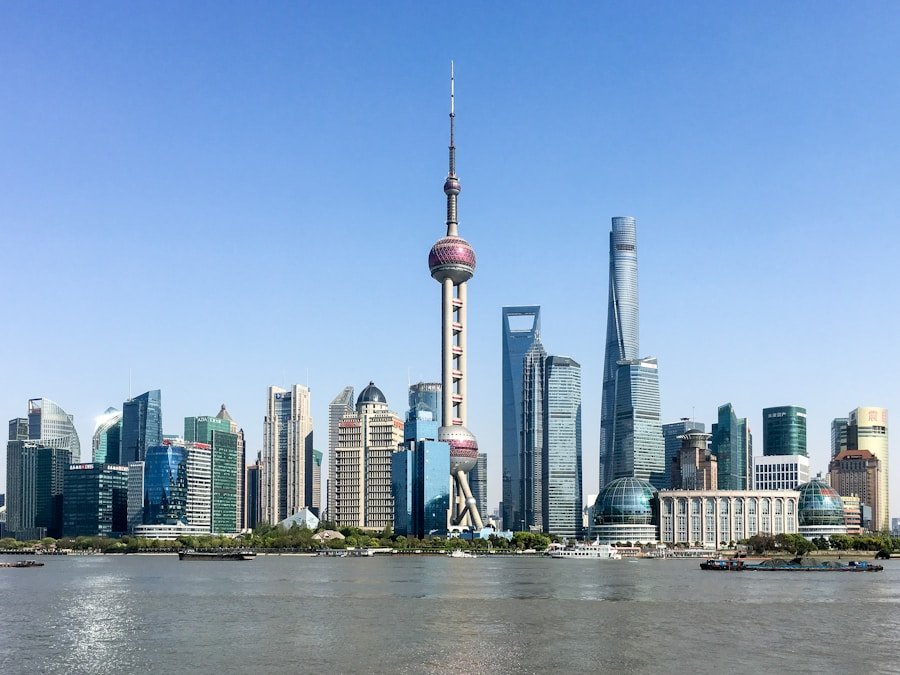
Shanghai, a global megacity and economic powerhouse, has been actively pursuing circular economy principles. Its approach is characterized by a deliberate integration of policy, infrastructure development, and private sector engagement. The city’s economic scale and its position as a manufacturing hub present both challenges and opportunities for implementing circular practices.
Policy Frameworks and Government Support
Shanghai’s journey towards a circular economy is underpinned by a series of government policies and strategic plans. These documents outline targets and incentives aimed at fostering sustainable resource management.
Waste Management and Resource Recovery
A cornerstone of Shanghai’s circular economy strategy lies in its robust waste management system. The city has invested significantly in infrastructure for sorting, recycling, and processing various waste streams.
Source Separation Programs
Shanghai has implemented mandatory source separation programs for household and commercial waste. This ensures that recyclables, organic waste, and residual waste are collected separately, facilitating more efficient processing.
Advanced Recycling Technologies
The city is exploring and adopting advanced recycling technologies, including those for plastics, electronic waste, and construction debris, aiming to extract maximum value from discarded materials.
Industrial Symbiosis and Business Engagement
Shanghai recognizes the importance of industrial symbiosis, where the waste or byproduct of one industry becomes a resource for another. This collaborative approach is actively encouraged.
Eco-Industrial Park Development
The establishment of eco-industrial parks aims to co-locate businesses that can benefit from shared resources and waste exchange, creating a more integrated and efficient system.
Corporate Social Responsibility Initiatives
Many multinational corporations and local businesses in Shanghai are integrating circular economy principles into their operations, driven by both regulatory pressures and growing consumer demand for sustainable products.
Buenos Aires’ Evolving Approach to Circularity
Buenos Aires, the vibrant capital of Argentina, presents a different context for circular economy development. While perhaps not as industrially advanced as Shanghai, it is demonstrating a growing commitment to sustainable practices, often driven by grassroots movements and a desire to address local environmental challenges.
Policy Development and Regulatory Landscape
Buenos Aires’ journey in circular economy thinking is characterized by a developing policy landscape that is gradually catching up to global trends. The city is increasingly aware of the need for regulatory frameworks to guide its transition.
Local Ordinances and Initiatives
The city government has introduced local ordinances and initiatives focused on waste reduction, promotion of repair and reuse, and sustainable consumption patterns. These often act as precursors to broader policy shifts.
Waste Management and Informal Sector Integration
Buenos Aires’ waste management system has historically been characterized by a significant informal sector involved in collecting and sorting recyclables. Integrating this sector into formal circular economy frameworks is a key consideration.
Solid Waste Management Plans
The city has been developing and refining its solid waste management plans to improve collection efficiency and increase recycling rates, with a focus on diverting waste from landfills.
The Role of “Cartoneros” and Cooperatives
The significant presence of “cartoneros” (informal recyclers) and recycling cooperatives plays a crucial role in the city’s material flows. Efforts are underway to formalize and support these actors within a circular economy model.
Economic and Social Dimensions
The circular economy in Buenos Aires is also viewed through its social and economic implications, aiming to create employment opportunities and build stronger community resilience.
Promoting the Repair and Reuse Economy
Initiatives focusing on repair cafes, second-hand markets, and platforms for swapping goods are gaining traction, fostering a culture of extending product life.
Education and Awareness Campaigns
Public education and awareness campaigns are vital for shifting consumer behavior and fostering a broader understanding and acceptance of circular economy principles.
Comparative Analysis of Shanghai and Buenos Aires
When we place Shanghai and Buenos Aires side-by-side in the context of circular economy rankings, a nuanced picture emerges. While both cities are on a trajectory towards greater circularity, their starting points, capacities, and dominant strategies differ.
Key Performance Indicators and Rankings
Assessing circular economy performance often relies on a range of indicators, from resource productivity to waste generation rates. While formal, universally agreed-upon rankings for these specific cities in a comparative circular economy context might be nascent, we can infer their positions based on observable trends.
Resource Productivity and Efficiency
Shanghai, as a highly industrialized economy, likely exhibits higher resource productivity in certain sectors due to established infrastructure and technological adoption. Buenos Aires, with a more service-oriented and developing industrial base, may be focusing on improving efficiency across a broader range of activities.
Material Flow Analysis
Understanding the movement of materials through each city’s economy is crucial. Shanghai’s dense industrial network suggests complex but potentially efficient material flows if managed circularly. Buenos Aires’ flows may be more dispersed, requiring different strategies for integration.
Waste Generation and Diversion Rates
The sheer volume of waste generated in a megacity like Shanghai presents a significant challenge, but also a substantial resource pool for circularity. Buenos Aires, while facing its own waste challenges, might have a greater focus on diversion through its informal sector and emerging formal programs.
Landfill Diversion Success
The success in diverting waste from landfills is a key metric. Shanghai’s investments in advanced recycling infrastructure aim to significantly reduce landfill reliance. Buenos Aires’ efforts are often linked to maximizing the recovery of recyclables by the informal sector and through improved collection systems.
Challenges and Opportunities
Both cities face unique hurdles and possess distinct advantages in their pursuit of a circular economy. These factors shape their progression and influence their standing in broader comparative analyses.
Infrastructural Development
Shanghai has a distinct advantage in terms of advanced infrastructure, from waste sorting facilities to industrial symbiosis networks. Buenos Aires, while developing, might rely more on leveraging existing informal networks and building capacity incrementally.
Technological Adoption
The pace of technological adoption for recycling and reprocessing can vary significantly. Shanghai’s economic clout allows for faster investment in cutting-edge technologies, while Buenos Aires might prioritize more accessible and scalable solutions.
Policy and Regulatory Agendas
Shanghai’s established policy frameworks provide a strong foundation, while Buenos Aires is in a phase of active policy development, offering flexibility but also potential for inconsistency.
Public-Private Partnerships
The effectiveness of public-private partnerships can be a driver for circular economy adoption. Shanghai’s mature business environment and Buenos Aires’ growing focus on innovative solutions are shaping these collaborations differently.
Social Engagement and Behavioral Change
The cultural landscape and public willingness to embrace circular practices are critical. Shanghai’s dense urban population presents a vast opportunity for large-scale behavioral shifts. Buenos Aires’ experience with community-based initiatives suggests a strong potential for bottom-up circularity.
Consumer Demand for Sustainable Products
The growing global demand for sustainable products is a powerful lever. Businesses in both cities are responding to this, but the scale and nature of this response will differ.
Shanghai’s Circular Economy Strengths
Shanghai’s position as a global economic hub provides it with a significant advantage in implementing circular economy principles. Its strengths lie in its robust industrial base, advanced technological adoption, and comprehensive policy frameworks.
Industrial Ecosystems and Resource Flows
Shanghai’s vast industrial ecosystem is a complex web of interconnected businesses. When viewed through a circular lens, this interconnectedness presents immense opportunities for industrial symbiosis. Imagine a vast, intricate clockwork where the gears beautifully mesh, and the output of one gear seamlessly powers the next.
Manufacturing Hub and Material Cycles
As a major manufacturing center, Shanghai processes a significant volume of raw materials. The challenge and opportunity lie in closing these material cycles, ensuring that these materials are not lost at the end of their first life but rather re-enter production.
Supply Chain Integration for Circularity
The city is working on integrating circularity into its intricate supply chains, promoting the use of recycled content and designing products for disassembly and reuse.
Technological Innovation and Investment
Shanghai’s commitment to technological advancement is a key driver of its circular economy efforts. The city attracts significant investment in research and development, fostering innovation in recycling and resource recovery.
Advanced Material Processing Facilities
The establishment of state-of-the-art material processing facilities, capable of handling complex waste streams like electronic equipment and plastics, is a testament to this commitment.
Policy Direction and Implementation
The Chinese government’s national strategy for a circular economy is strongly reflected in Shanghai’s local policies. This top-down directive provides a clear roadmap and regulatory impetus.
Green Finance and Incentives
Shanghai is increasingly leveraging green finance mechanisms and offering incentives to businesses that adopt circular economy practices, making sustainability economically attractive.
Buenos Aires’ Circular Economy Potential
Buenos Aires, while facing a different set of constraints, possesses unique potential for circular economy development, particularly in its strong community engagement and the adaptability of its informal sector.
Grassroots Movements and Community Engagement
The city’s vibrant civil society and numerous grassroots organizations are powerful engines for change. These groups often act as the vanguard of circular economy initiatives, raising awareness and piloting innovative solutions. Imagine a garden where dedicated gardeners are nurturing new plants from seeds, bringing life and diversity to the urban landscape.
Citizen-Led Recycling and Upcycling Initiatives
Numerous citizen-led initiatives, from neighborhood recycling drives to workshops on upcycling everyday objects, demonstrate a strong community commitment to reducing waste and maximizing resource utilization.
The Role of Social Enterprises
Social enterprises are playing an increasingly important role in Buenos Aires, bridging the gap between community needs, environmental goals, and economic viability.
The Informal Sector as a Circularity Asset
The informal waste picking sector, known as “cartoneros,” is a deeply ingrained part of Buenos Aires’ waste management landscape. Recognizing and integrating this sector into formal circular economy frameworks can unlock significant potential.
Formalization and Support for Recyclers
Efforts to formalize the “cartoneros” and provide them with better working conditions, training, and access to markets can transform what was once an informal activity into a powerful component of the circular economy.
Cooperatives and Collective Action
The rise of recycling cooperatives provides a collective bargaining power and organizational structure that can enhance the efficiency and economic benefits of informal recycling.
Emerging Policy and Sustainable Urban Development
While policy development may be more recent, Buenos Aires is increasingly integrating circular economy principles into its urban planning and sustainability agendas.
Transitioning Away from Landfills
The city is actively exploring strategies to reduce its reliance on landfills, focusing on waste reduction at source and increasing diversion rates through various programs.
Promoting Repair and Reuse Culture
Initiatives that foster a culture of repair and reuse, from community tool libraries to repair cafes, are gaining momentum, challenging the throwaway culture.
The Path Forward: A Confluence of Strategies
Comparing Shanghai and Buenos Aires in circular economy rankings reveals that the path to a circular economy is not monolithic. Each city, with its unique strengths and challenges, offers valuable insights into diverse strategies.
Benchmarking and Performance Metrics
As the circular economy gains global traction, the development of robust benchmarking and performance metrics becomes crucial. This allows for meaningful comparisons and the identification of best practices.
Developing Standardized Circular Economy Indicators
The need for standardized indicators that can be applied across different urban contexts is paramount for accurate and consistent evaluation.
Measuring Resource Recovery Rates
Accurate measurement of resource recovery rates, encompassing a wide range of materials, is essential for assessing progress.
Tracking Waste Reduction at Source
While end-of-pipe solutions are important, measuring the reduction of waste generated at the source is a more proactive indicator of circularity.
Policy Effectiveness and Impact Assessment
Evaluating the effectiveness of different policy instruments and their real-world impact is critical for iterative improvement.
Assessing the Return on Investment of Circular Initiatives
Understanding the economic benefits and challenges associated with circular economy investments is vital for sustained progress.
Cross-City Learning and Collaboration
The lessons learned from cities like Shanghai and Buenos Aires can inform and accelerate circular economy transitions globally. Collaborative platforms and knowledge-sharing initiatives are therefore invaluable.
Sharing Best Practices in Waste Management
Sharing successful strategies in waste segregation, collection, and advanced recycling can benefit cities at different stages of development.
Lessons Learned from Industrial Symbiosis
The successes and challenges of implementing industrial symbiosis in a dense urban environment like Shanghai can provide valuable blueprints for other industrial centers.
Fostering Innovation and Entrepreneurship
Encouraging innovation and entrepreneurship in both established industrial economies and developing urban centers is key to driving new circular solutions.
Supporting Circular Business Models
Providing support for businesses that adopt circular business models, from product-as-a-service to take-back schemes, is crucial.
The Future of Urban Circularity
The ongoing evolution of circular economy practices in cities like Shanghai and Buenos Aires paints a picture of a promising future for urban sustainability. It highlights that circularity is not a destination but a continuous journey of adaptation and innovation.
The Integration of Technology and Community Action
The future likely lies in the seamless integration of advanced technologies with robust community engagement, creating a synergistic approach to resource management.
Smart City Solutions for Circularity
Leveraging smart city technologies to monitor resource flows, optimize waste collection, and facilitate material exchange will be increasingly important.
Empowering Local Communities in Circular Transitions
Ensuring that local communities are empowered and actively involved in shaping circular economy initiatives will lead to more equitable and resilient outcomes.
Policy Evolution and Global Harmonization
Continued policy evolution, both at local and international levels, will be necessary to create a supportive and harmonized global environment for circular economy development.
Global Standards for Circular Products
The development of global standards for circular products, encompassing durability, repairability, and recyclability, will drive market transformation.
International Cooperation on Resource Management
Fostering international cooperation on resource management and the transition to a circular economy will be vital for addressing global environmental challenges.